
Surgical Procedures in Tashkent
Modern surgery and a comprehensive approach to treatment
Our clinic performs planned and complex surgical procedures across a range of specialties. Our specialists use open, laparoscopic, endoscopic, and minimally invasive treatment methods, selecting the most appropriate approach individually for each patient.
The need for surgery and the method of intervention are determined after a specialist consultation and comprehensive examination.
Surgical Specialties
What operations are performed at AKFA Medline
The clinic performs surgical procedures in cardiac surgery, vascular surgery, general surgery, urology, gynecology, orthopedics and traumatology, spinal neurosurgery, surgical oncology, and other specialties. The treatment method is selected individually based on the diagnosis, the patient’s general condition, and medical indications.
Procedure methods
Key specialties
If surgery is not required, the patient is informed about alternative treatment options.
The right decision
Surgery where the decision matters more than speed
Surgery is not always the first or universal answer to a medical problem. At AKFA Medline, every case is evaluated individually based on the diagnosis, the patient's condition, examination results, and the expected benefit of treatment.
Where proper surgical care begins
Is surgery necessary right now?
Can the problem be solved with a less traumatic method?
Which approach will provide the best result with minimal risks?
When to consult a specialist
7An early consultation can help not only to perform surgery on time, but in some cases, to avoid it.
Safety
What makes surgical treatment safer
Before surgery, it is important to understand not only the diagnosis itself, but also the overall condition of the body: the heart, blood vessels, respiratory system, existing chronic diseases, and anesthesia-related risks.
Accurate diagnostics before intervention
Examination helps assess the diagnosis, the body's overall condition, and the factors that influence the choice of treatment method.
Choosing the method, not simply prescribing surgery
The same diagnosis may require different approaches: observation, medication, minimally invasive intervention, or full-scale surgery.
Modern surgical technologies
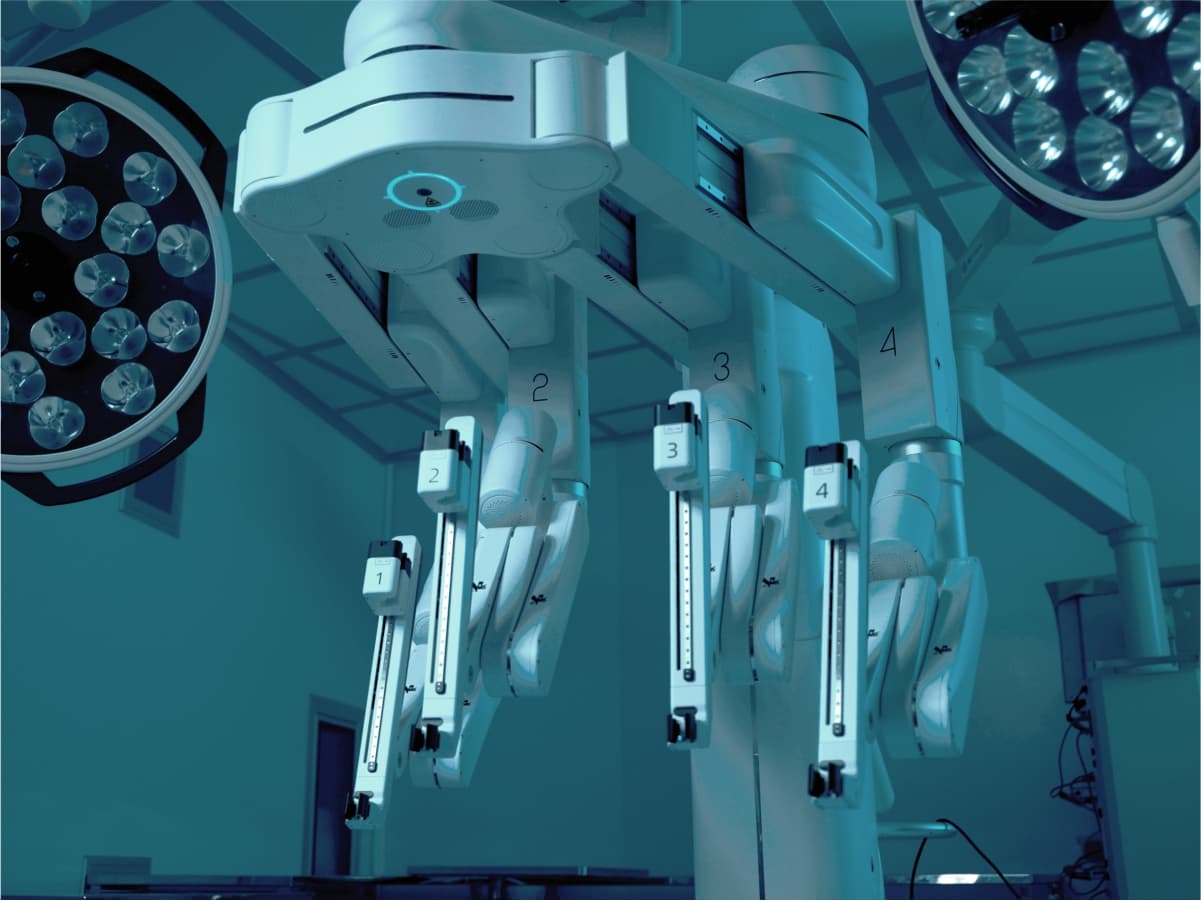
Laparoscopic, endoscopic, minimally invasive, and robot-assisted methods help reduce trauma when suitable according to medical indications.
Team approach
Treatment involves surgeons, anesthesiologists, intensive care specialists, diagnosticians, profile specialists, and inpatient medical staff.
Patient questions
Surgery without unnecessary fear
Fear before surgery often appears because of uncertainty. At AKFA Medline, the patient receives a clear explanation of the diagnosis, the purpose of the operation, possible alternatives, preparation stages, and the postoperative period in understandable language.
Good surgery is not only about the precise hands of the doctor
It is also about honest explanation, calm preparation, and trust between the patient and the medical team.
Can surgery be avoided?+
Sometimes, yes. Surgery is not a universal answer: for some patients, observation or medication may be enough. If surgery is not required, the patient is informed about alternative treatment options.
What is minimally invasive surgery?+
In many cases, modern operations can be performed through small surgical accesses. This helps reduce tissue trauma, decrease postoperative pain, and support a faster return to everyday life.
Is a minimally invasive method suitable for everyone?+
No. In some cases, open surgery may be safer and more effective. That is why the choice of method must always be made by the doctor after diagnostics.
Does the robotic system perform the operation by itself?+
No. The operation is performed by the surgeon. Robot-assisted technology helps carry out movements with high precision, improves visual control, and allows work in complex anatomical areas.
Where is robot-assisted surgery especially important?+
This approach is especially important where delicate work with tissues, blood vessels, and nerve structures is required.
What will be explained before the intervention?+
The patient receives an explanation of the diagnosis, the purpose of surgery, possible risks, alternatives, preparation stages, recovery process, and what to expect after the intervention.
Book a Surgeon Consultation
If you are unsure whether surgery is necessary, start with a consultation. A specialist will evaluate risks, alternatives, and the most appropriate treatment strategy.
We are always here to take care of your health
Come visit us — attentiveness, professionalism and genuine care await you

5A, Kichik Halqa Yuli Str., Olmazor district, Tashkent, Uzbekistan


working hours
Monday - Friday: 08:30 - 17:00
Saturday: 09:00 - 14:00
Sunday: Closed